Guide · · 5 min read
How to Import Gold Jewelry from Turkey: A Wholesale Guide for Jewelers
A step-by-step guide for jewelers and wholesalers buying Turkish gold jewelry: from choosing carats and designs to insured delivery and customs.
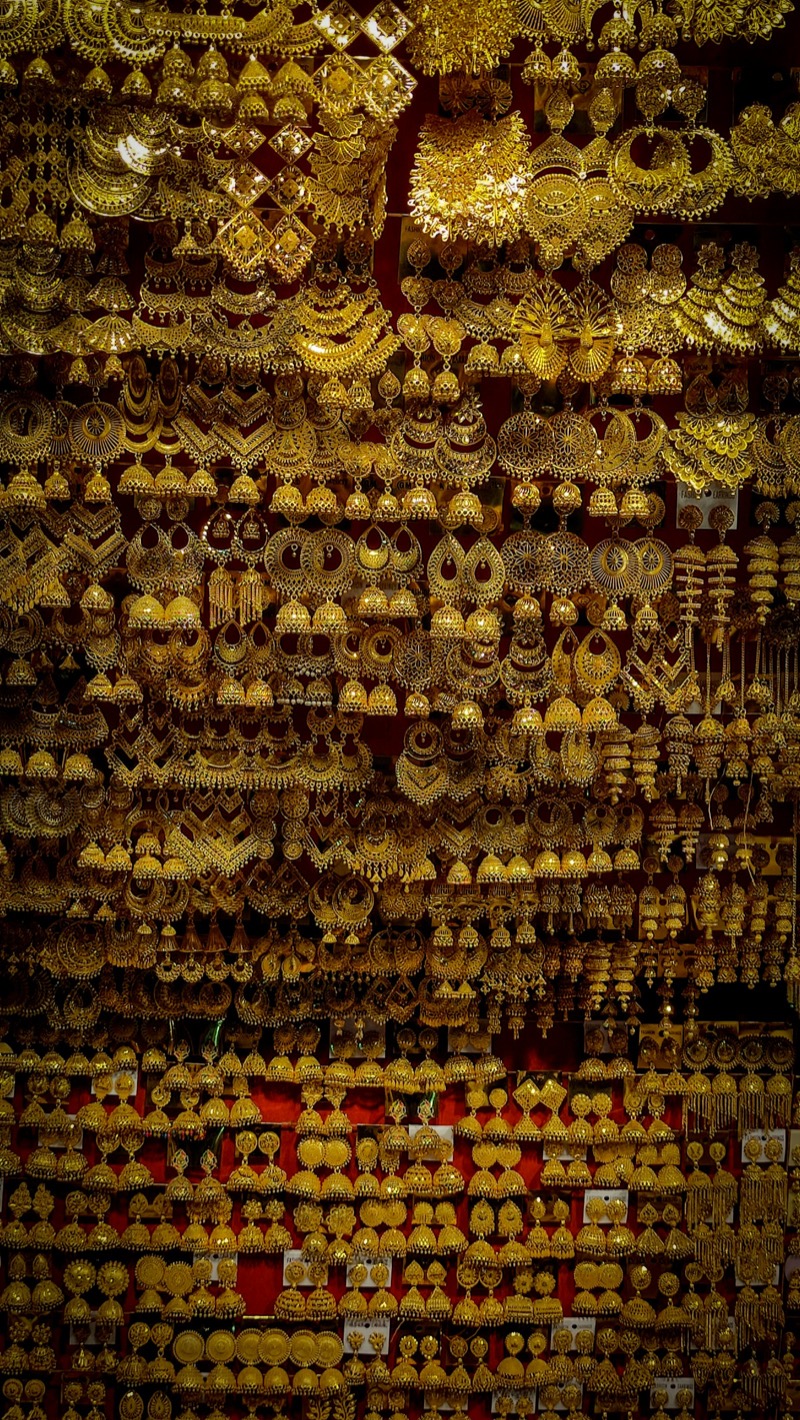
Turkey is one of the established sources of gold jewelry for jewelers in the Gulf, the Middle East, Africa, Central Asia, Russia and Europe. Buyers come for the range: classic 22K bangles, 14K and 18K fashion pieces, wedding bands, bridal sets and investment gold, all available from one market. But importing gold is not like importing textiles or furniture. The goods are small, valuable and priced on a metal that moves every day, and every shipment has to satisfy two sets of rules: the exporter's and your own country's.
This guide walks through the process the way a first order actually runs, from deciding what to buy to clearing the parcel at your airport. It is written for jewelers, wholesalers and retail chains that want to buy Turkish gold jewelry wholesale without surprises.
Step 1: Decide on categories and carats for your market
Start with your customers, not the catalog. The carat you stock should match what your market expects to see in the window and what local rules allow you to sell as gold.
- Gulf and Middle East: high-carat yellow gold is the norm. 21K and 22K are common for bangles, sets and chains, and 24K is used for bars and some coins.
- Europe and Russia/CIS: 14K (585) and 18K (750) dominate everyday and bridal jewelry. In Russia, 585 is the familiar standard.
- Africa and Central Asia: demand is mixed, often 18K and 22K for bridal and gift pieces, with 14K for lighter fashion lines.
Then choose the categories. A typical first order mixes fast sellers, such as fine chains, hoop earrings and wedding bands, with a smaller share of higher-value pieces such as bridal sets or solitaire rings. Decide the weight band you want for each line, because weight drives the price far more than design does.
Step 2: Send a clear enquiry
The quality of the quote depends on the quality of the enquiry. A useful enquiry includes:
- Designs: photos, catalog references or your own drawings.
- Carat for each item, and colour (yellow, white, rose or two-tone).
- Quantity per design and, for rings, the size spread.
- Target weight per piece or an acceptable weight range.
- Destination country and the airport you want delivery to.
- Any marking you need, such as a specific hallmark layout or your own brand stamp, if your market allows it.
If you are not sure about weights, ask for two or three options in different weight bands. It is the fastest way to see how a design scales and where it fits your retail price points.
Step 3: Read the quote line by line
A proper wholesale gold jewelry quote is written and itemised. It should separate at least these parts:
| Quote line | What it covers |
|---|---|
| Gold value | Weight and carat, priced on the day's gold price |
| Workmanship | Labour charge, per gram or as a fine-gold addition |
| Stones | Priced separately where a piece is stone-set |
| Shipping and insurance | Valuables logistics, insured for full value |
Because the gold component follows the market, the quote states the gold price it was based on and how the price is fixed when you confirm. Ask how long the workmanship rates stay valid and whether weight tolerances apply.
Step 4: Agree payment terms
Gold jewelry is usually paid for before it leaves the exporter. The common options are:
- Advance bank transfer (TT): the simplest route; goods are prepared and shipped once payment is received.
- Irrevocable letter of credit (L/C): payment is released by the banks against agreed shipping documents, which gives both sides a framework for larger orders.
Terms depend on order size and destination country, and they should be confirmed in writing in the quote. For jewelers inside Türkiye, accounts can also be settled in fine gold plus workmanship, a long-standing trade practice.
Step 5: Preparation, carat checks and hallmarking
Once the order is confirmed, each piece is checked for carat and weight against the order, hallmarked and packed. The hallmark is the stamp that shows the carat or fineness on every piece; buyers should expect to see it on each item, not only on the packaging.
Goods are packed in sealed parcels, and the packing list records the parcel and seal numbers. That simple step matters at the other end: if a seal is intact on arrival, you know the parcel has not been opened in transit.
Step 6: Insured valuables shipping and customs
Gold jewelry travels by air with logistics firms that specialise in valuables, not with ordinary courier services. The shipment is insured for its full value, and the delivery terms and destination airport are agreed at quotation stage.
Before the goods leave, the customs documents are shared with you so your broker can prepare. A typical set includes the commercial invoice itemised by carat, weight and quantity, a certificate of origin in the form your country requires, the packing list, the insurance policy and, where applicable, an A.TR or EUR.1 movement certificate.
Local rules at destination
Import duties, VAT and hallmarking or assay rules differ by country. Some countries require imported gold to be assayed and marked locally before it can be sold; others accept the exporter's hallmark. Check with your customs broker or assay office before the first order, so that the marking on the pieces suits your market.
Working with ARLAS Global Jewellery
ARLAS Global Jewellery is a supply and wholesale partner, not a manufacturer. We select designs from partner workshops and makers, check carat and workmanship, quote on the current gold price and ship documented and insured. If you are planning a first order of gold jewelry from Turkey, send us your designs, carats, quantities and destination, and request a quote. Existing dealers can follow their orders through the dealer login.
Frequently asked questions
Can I import gold jewelry from Turkey in small quantities?
Order size is discussed case by case at quotation stage. Send the designs and quantities you have in mind and the quote will show what is workable for your destination.
Which carat should I buy for my market?
It depends on what your customers expect and what your local rules allow. Gulf and Middle Eastern markets commonly use 21K and 22K, while Europe and Russia mostly use 14K and 18K.
Do I need a customs broker?
In most countries, yes. A broker who handles precious metals knows the local duty, VAT and hallmarking rules and can clear the insured parcel at the airport.
Is the shipment insured?
Yes. Goods are shipped with valuables logistics firms and insured for their full value, and the insurance policy is part of the shipping documents.
By ARLAS Global Jewellery · Updated: