Guide · · 5 min read
Gold Karat Chart for Buyers: 24K, 22K, 21K, 18K, 14K and 9K Explained
What 24K, 22K, 21K, 18K, 14K and 9K really mean, how to read hallmarks, and which carats buyers commonly stock in different markets.
Carat is the first thing a jewelry buyer specifies and the first thing a customer asks about. It decides how much gold is in a piece, how it looks, how well it wears and, above all, what it costs. Yet the same piece of jewelry can be described in three ways: in karats, in parts per thousand, or as a percentage. Mixing them up in an order or a quote leads to expensive misunderstandings.
This guide sets out a clear gold karat chart, explains what each carat is good for, and shows how to read the hallmark stamped on a piece. It is written for jewelers, wholesalers and importers who buy gold jewelry for resale.
The gold karat chart
A karat is one part in 24. Pure gold is 24 karats; 18K gold is 18 parts gold and 6 parts other metals. Fineness expresses the same thing in parts per thousand, which is why hallmarks show numbers such as 750 or 585 rather than a K figure.
| Karat | Fineness | Gold content | Typical use |
|---|---|---|---|
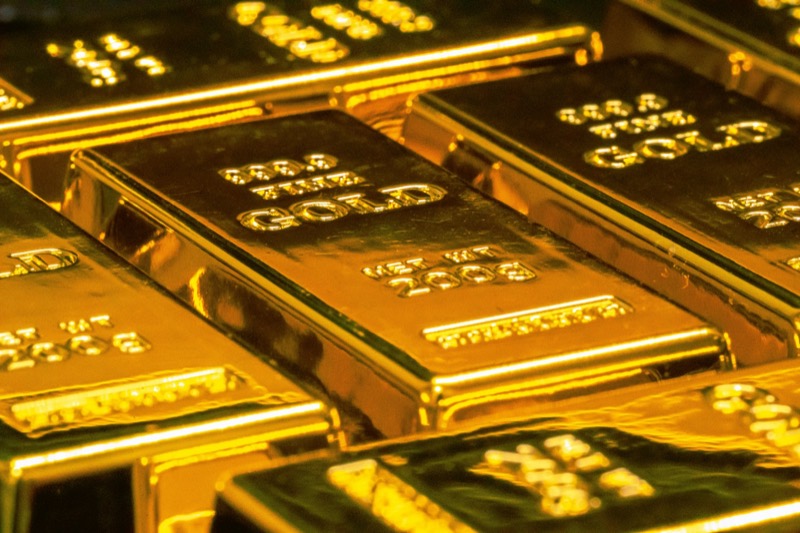
| 24K | 999 | 99.9% | Bars, some coins |
| 22K | 916 | 91.6% | Bangles, bridal sets, coins |
| 21K | 875 | 87.5% | Gulf and Middle East jewelry |
| 18K | 750 | 75% | Fine jewelry, stone settings |
| 14K | 585 | 58.5% | Everyday and fashion jewelry |
| 9K | 375 | 37.5% | Entry-level pieces in some markets |
Some older European and Soviet-era pieces are marked 583 instead of 585 for 14K. Gold marked 999.9 is also 24K, with a higher purity used for investment bars.
Purity versus durability
Higher carat means more gold, a richer yellow and a higher metal value. It also means a softer piece. Pure gold scratches and bends easily, so the other metals in the alloy, usually silver, copper and zinc, are there to give strength.
- 22K and 21K have a deep colour and hold their value as metal, which is why they are popular for bangles, chains and gift gold. They are less suited to delicate stone settings, because prongs can wear.
- 18K is the usual balance for fine jewelry: rich colour, good hardness, and strong enough to hold diamonds and coloured stones securely.
- 14K is harder and more affordable, which suits rings and pieces worn every day. It is also lighter on the price tag for the same design.
- 9K is the most durable and cheapest of the common carats, but in several markets it is not what customers mean by "gold jewelry".
Yellow, white and rose gold
Colour comes from the alloy, not from the gold itself. The carat stays the same; only the other metals change.
- Yellow gold: balanced silver and copper keep the natural gold colour. The higher the carat, the warmer the yellow.
- Rose gold: more copper gives a pink tone. It is common in 14K and 18K.
- White gold: palladium or nickel whitens the alloy, and most white gold jewelry is rhodium-plated for a bright finish. The plating wears over time and can be renewed.
Two-tone designs, such as a wedding band with a white-gold centre and yellow edges, combine alloys of the same carat in one piece. When you order, specify colour and carat separately so there is no room for doubt.
Which carats are common in which markets
Market preferences are not laws, but they are strong enough to shape a buying plan. Broadly:
- Gulf states and the wider Middle East: 21K is commonly the everyday standard for jewelry, with 22K widely used for bridal gold and bangles, and 18K for diamond and designer pieces.
- Iraq and parts of North Africa: high-carat yellow gold, commonly 21K and 18K, depending on the country.
- Europe: mostly 14K and 18K, with 9K accepted in some countries.
- Russia and the CIS: 585 (14K) is the familiar standard for everyday jewelry, with 750 for finer pieces.
- Türkiye: 22K for bangles, coins and traditional pieces; 14K and 18K for modern designs and stone-set jewelry.
If you serve customers from several backgrounds, it is common to carry two carat lines: a high-carat line for gift and bridal gold, and a 14K or 18K line for fashion and stone-set pieces.
How to read a hallmark
A hallmark is the stamp on the piece that states its fineness. On most gold jewelry you will find a number, such as 916, 750 or 585, sometimes followed by a K figure. Depending on the country, the marking may also include a maker's or sponsor's mark, an assay office mark or a date letter.
Check the hallmark on every piece in a delivery, not only on a sample. On chains and earrings it is usually on the clasp or the fastening; on rings it is inside the band; on bangles it is on the inside or near the opening. If your country requires its own assay and marking, imported pieces may receive a second stamp after arrival.
Solid gold, plated and filled: know the difference
Solid gold means the whole piece is made of the stated alloy. Gold-plated items have a very thin layer of gold over a base metal such as brass or silver; gold-filled items have a thicker bonded layer, but still a non-gold core. Plated and filled jewelry should not carry a gold fineness hallmark as if it were solid.
When you buy wholesale gold jewelry, the commercial invoice should list each line by carat and weight. That is your record that you paid for solid gold of a stated fineness.
Buying by carat with ARLAS Global Jewellery
Our range covers 14K, 18K and 22K jewelry and 24K investment bars, with carat and workmanship checked before shipment and every piece hallmarked. Tell us your market and the carats your customers expect, and request a quote with the designs and weights you need.
Frequently asked questions
Is 22K or 18K better for jewelry?
22K has more gold and a deeper colour, which suits bangles and bridal gold. 18K is harder and holds stones more securely, so it is the usual choice for diamond and fine jewelry.
What does 916 mean on gold?
916 is the fineness mark for 22K gold. It means 916 parts of pure gold per thousand, or about 91.6 percent.
Is 585 the same as 14K?
Yes. 585 is the fineness mark for 14K gold, meaning 58.5 percent gold. Some older pieces show 583 for the same carat.
Does white gold have the same carat as yellow gold?
It can. Carat measures gold content, while colour comes from the other metals in the alloy, so 18K white gold and 18K yellow gold contain the same share of gold.
By ARLAS Global Jewellery · Updated: